Berks County
Berks County septic questions often come down to limestone valleys, shale hills and rural homes around Reading. Typical work here includes pumping, inspections, repairs and system replacement.
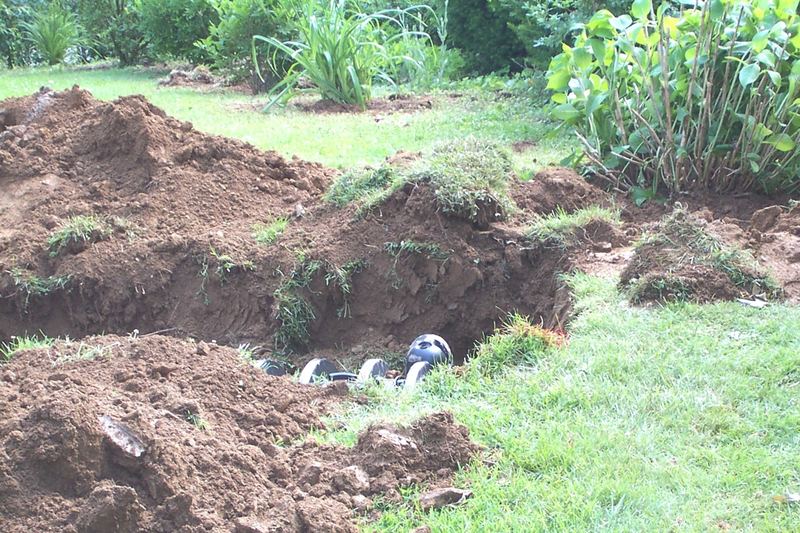

Soils and ground conditions in Berks County
Berks County has limestone valleys, shale hills and the Reading Prong uplands.
Many rural homes and farms rely on on-lot sewage systems.
Climate and what it means for a septic system
Wet springs, summer storms and freeze–thaw cycles affect drain fields.
A tank only works as well as the drain field after it: saturated, compacted or root-filled soil is the most common reason for slow drains, odors and wet spots, so the soil and the water table are checked as well as the tank.
Local approvals and rules
Township Sewage Enforcement Officers issue on-lot permits under Act 537.
Pennsylvania’s Sewage Facilities Act (Act 537) requires a permit from the local agency before a new or repaired on-lot system is installed. A Sewage Enforcement Officer (SEO) carries out soil probes and percolation tests, and systems must meet PA DEP Chapter 73 standards.
Typical septic work in Berks County
Pumping, inspections, repairs and system replacement. Every property is different, so the system is located, opened and inspected on site before any repair is recommended or quoted.
Know where your tank, lids and drain field are, keep vehicles and new structures off them, and have pumping or permit records ready before the visit.
Pennsylvania Septic Pro in Berks County
We take septic enquiries from Berks County and surrounding areas around the clock. Tell us the address, when the tank was last pumped and what is happening, and we will arrange a visit.